

Written for Persian television website in May 2010
According to available figures, there are more than 100,000 persons of Iranian origin living in Britain. A few years ago, I asked a former Iranian ambassador about the number of Iranians living in Britain. He said that the Iranian Embassy had the details of about 85,000 Iranians who live in Britain but the real number could be twice as large, because many Iranians who have taken refuge in Britain have not registered with the Embassy.
A large number of Iranians came to Britain shortly before or after the Iranian Revolution in 1979. Many of them have lived here for the greater part of their lives and have been given British nationality. Many of them either fled persecution in Iran and found a refuge in this tolerant country, or have decided as a matter of choice to live here.
Britain is one of the most cosmopolitan, multi-cultural and multi-ethnic countries in the world, with a diversity of nationalities, religions, cultures and languages almost unique in the world, probably with the exception of the United States. Contrary to most European countries that demand foreign visitors become assimilated in the society and lose or downplay their previous national or religious identities, British people only expect their foreign residents to abide by the law.
There is a much greater degree of tolerance in the use of Islamic hijab, the Sikh turban or of any other symbols of national and ethnic identity than anywhere else in the world. There are over 1,000 mosques in Britain, as well as hundreds of synagogues, Hindu, Sikh and Buddhist temples. Some leading figures, including the Archbishop of Canterbury, Dr Rowan Williams, have even spoken in favour of recognising the Shari’a law with regard to some personal affairs of Muslims living in Britain. All this means that those who have chosen to live here and enjoy these benefits must feel part of this society and must actively join in its political, social and cultural life.
The Iranian population in Britain is also rather exceptional in the sense that the average level of education and income of the Iranian community is higher than the national average. The reason for this is that many Iranians who migrated to Britain after the revolution were highly educated university professors, doctors, dentists, engineers, architects, businessmen, government officials etc. As a result, one should expect British Iranians to take a more active part in British political and social life than people from other nationalities. Many British Iranians have achieved prominence in their fields of expertise and are making valuable contributions to their adopted country.
There are no accurate figures available about the participation of Iranians in British politics, but judging by the number of Iranians who have achieved high political office one can conclude that British Iranians pay less attention to politics than to other professions. There are a few Iranian councillors and there is one appointed British Baroness in the House of Lords, but there are no British MPs, and no Iranians involved in the national government or active in party politics. There may be a few reasons for this lack of political representation compared with the relatively prominent role that Iranians play in other areas of social activity.
One reason could be the strong attachment of Iranians to their mother country. Almost all Iranians resident abroad take a great interest in what goes on in their country of origin and follow its politics through a remarkably large number of Persian language newspapers, magazines, blogs, the Internet and radio and TV stations that cater for Iranian expatriates. In other words, many Iranians seem to be more interested in Iranian politics than in the politics of their host country.
The second reason could be a negative attitude towards politics and politicians that is common to the majority of the British people. The unpopular wars in Iraq and Afghanistan, the MPs expenses claims, the economic recession, unprecedented since the Second World War, and many other negative events in recent years have turned people against politics and have made them suspicious of politicians. Most polls show that the majority of British people place politicians at the bottom of approval ratings compared to other professions. Iranians living in Britain could also be affected by the general malaise of distrust and disaffection towards politics and politicians that is common to the rest of the British people.
The third reason could be that, in addition to the general antipathy towards politics, British Iranians are doubly hostile towards politics because of what they have suffered at home at the hands of the politicians. They have been affected by the misplaced and unfulfilled optimism at the time of the reformist government in Iran, the controversial June 2009 election, and particularly the brutality with which opposition forces and demonstrators have been dealt, during the post-election events. This feeling of disappointment might have forced Iranians to turn away from politics and to direct their interests elsewhere.
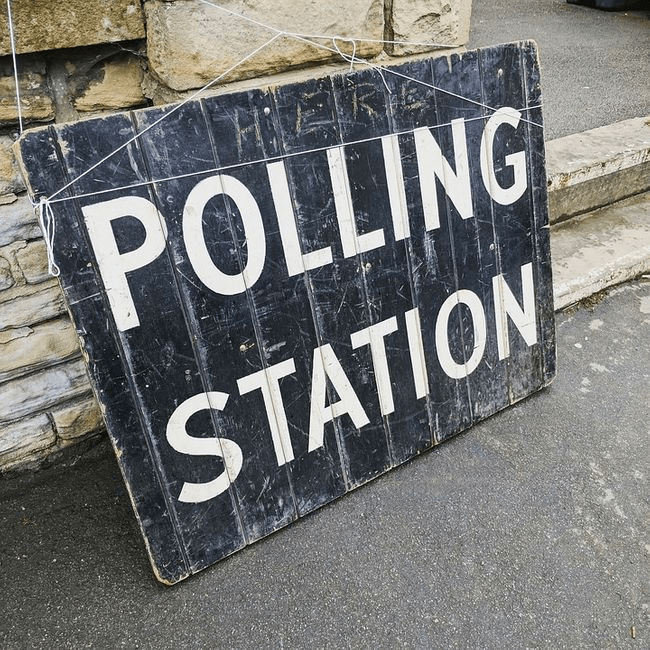
However, whatever the reason, people’s votes count in a democratic country such as Britain, and the future of the country, including the fate of the Iranians who live here, could be affected as the result of the election. Iranians who live in Britain should regard themselves as a part of this country. If, in their case, they may still have strong links with their native country, their children who have been born and brought up here, regard themselves as being as British as anyone else, and their future as being tied up with this country. This is why, even if it is for the sake of the next generation, British Iranians should take a much closer interest in British politics and actively participate in the election.
Another reason for the necessity of their participation in British politics is that even if they are mainly interested in what goes on back home, they should realise that the policies of different British parties can have a strong bearing on British and consequently on Western policies towards Iran. Many Iranians may support or oppose the present Iranian regime. Nevertheless, certainly very few of them would like to see Iran subjected to foreign aggression or to suffer the fate of countries such as Iraq, Afghanistan or Lebanon. The three main British parties have different stances regarding Iran’s nuclear programme, the Western response to the Iranian government and what methods to use to ensure greater democracy and human rights in Iran.
However, the most important reason for the participation of Iranians in British politics is that, as the citizens of a country where they have chosen to live, the benefits that they enjoy here, the freedoms that they take for granted, the shelter that they have been given, and the country where their children will grow up and live, Iranians like any other responsible citizens, have a duty to contribute to this society and help shape its future, preserve its positive points and hopefully correct its mistakes.
For all these reasons, British Iranians must take British politics more seriously than they do now and must take an active part in the election. In this country, their votes count and will affect the future course of the society, and of their families and children.

