

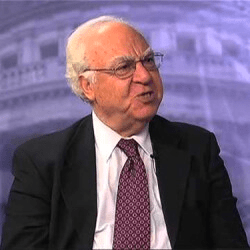
Text of my lecture at Paris Conference in March 2023 on nationwide protests in Iran, with the title of “On the Eve of Women, Life, Freedom Revolution in Iran” published in Mihan magazine
ایران در آستانه انقلاب “زن، زندگی، آزادی”
در چند ماه گذشته سخنان زیادی در مورد اعتراضات سراسری در ایران به رهبری زنان در پی درگذشت غم انگیز مهسا امینی با شعار قدرتمند و زیبای “زن، زندگی و آزادی” بیان شده است. به جای پرداختن به برخی از نکاتی که برای همه ما کاملاً شناخته شده است، می خواهم به برخی از کلیات بپردازم.
در تاریخ طولانی ایران فراز و نشیب های زیادی وجود داشته است. برخی از آن تغییرات بسیار مهم و دوران ساز بوده است. مانند تأسیس سلسله مادها، تأسیس امپراتوری هخامنشیان، حمله اسکندر، اشکانیان، ساسانیان، حمله اعراب و تأسیس اسلام، حمله مغول و تأسیس شاهنشاهی صفوی. در تاریخ اخیر ایران، انقلاب مشروطه دوران جدیدی را برای پایان دادن به حکومت مطلقه و حرکت به سوی نظام دموکراتیک آغاز کرد. اما نهضت مشروطه با وجود فداکاری های فراوان به همه اهداف خود نرسید. جنگ های جهانی اول و دوم و دخالت قدرت های خارجی آن جنبش را خنثی کرد. بعدها، تأسیس خاندان پهلوی، اگرچه منجر به اصلاحات و مدرنیزه شدن ایران شد، خلع رضاشاه توسط انگلیسی ها، کودتای ۱۹۵۳ و تردید شاه فقید در مورد سلطنت کردن به جای حکومت کردن، ازحرکت به سوی استقلال واقعی و دموکراسی جلوگیری کرد.
انقلاب ۱۳۵۷ با شعار آزادی، استقلال و عدالت اجتماعی آغاز شد، و خیلی ها تصور می کردند که انقلاب ادامه جنبش مشروطه خواهد بود، اما خیلی زود بیشتر مردم متوجه شدند که فریب خورده اند. انقلاب نه تنها آزادی سیاسی را تثبیت نکرد، بلکه مردم را از بسیاری از آزادی های اجتماعی که در آن زمان از آن برخوردار بودند محروم کرد. به جای برقراری دموکراسی، رژیم اسلامی یکی از خشنترین، خودسرترین، واپسگراترین و مستبدترین رژیمهای تاریخ معاصر ایران را تأسیس کرد.به نظر من، ایران در آستانه تحولات مهم و دوران ساز دیگری است. سوال این است که آیا این بار هم این جنبش سراسری به دلیل خشونت، جاه طلبی بیش از حد، بی صبری و فقدان برنامه مشخص شکست خواهد خورد یا اینکه این بار دوران جدیدی از توسعه و دموکراسی را در ایران باز خواهد کرد؟
ضرب المثل خوبی در انگلیسی هست که می گوید نباید ایده آل را دشمن بهترین ها کرد. به عبارت دیگر، گاهی به امید دستیابی به کمال، میتوانیم در دستیابی به بهترین چیزی که در دسترس است شکست بخوریم.
انقلاب الهامبخش دیگر گروههای ضدغربی و اسلامگرا در خاورمیانه و فراتر از آن بود و آغازگر دورهای از ظهور اسلام سیاسی بود. اما اعتراضات سراسری که پس از درگذشت مهسا امینی ۲۲ ساله در بازداشت موسوم به گشت ارشاد ایران در ۲۵ شهریور ۱۳۹۱ به اتهام عدم رعایت حجاب ادامه یافته است، پایه های رژیم آخوندی را بی اندازه متزلزل کرده است.
تفاوت اعتراضات کنونی با اعتراضات قبلی این است که قیام جدید عمدتاً توسط زنان با شعار زیبا و قدرتمند «زن، زندگی، آزادی» آغاز شد که به زودی مورد حمایت بخش بزرگی از مردم قرار گرفت. این قیام به تمام نقاط کشور سرایت کرد و علیرغم خشونت های گسترده دولتی، ماه ها ادامه یافته است.
تحلیل دلایل شکست جمهوری اسلامی مهم است. دوام جمهوری اسلامی که توانسته طوفان های زیادی را پشت سر بگذارد بر ۶ عامل استوار است:
۱. رژیم برخی از عناصر مشروعیت دموکراتیک را حفظ کرد، به این معنا که در حالی که خود را اسلامی مینامید، یک جمهوری با برخی ارگانهای منتخب مانند مجلس یا مجلس و رئیسجمهور نیز بود.
,۲. ماهیت مذهبی انقلاب از حمایت تعداد زیادی از مردم متدین، از جمله دستگاه قدرتمند مذهبی برخوردار بود
.۳. برنامه های اقتصادی پوپولیستی رژیم و توجه بیشتر به طبقات پایین و مناطق روستایی، در مقابل سیاست های حامی شهری و نخبگان محور شاه، حمایت طبقات فقیرتر را که اکثریت جامعه را تشکیل می دهند، جلب کرد
.۴. تجربه وحشتناک جنگ های حمایت شده توسط ایالات متحده در افغانستان، عراق، لیبی، سوریه و یمن، بسیاری از ایرانیان را متقاعد کرد که به جای فرو بردن کشور در هرج و مرج، به شیطانی که می شناختند بچسبند
.۵. جایگزین واحد و قابل دوام چه در داخل و چه در میان ایرانیان خارج از کشور وجود نداشت
.۶- توسل دولت به خشونت گسترده و شدید برای سرکوب هر نوع مخالفت, حتی مخالفت مسالمت آمیز.
در سال های اخیر، عملاً تمام مزایای فوق معکوس شده است.ادعاهای دموکراتیک رژیم در انتخابات مجلس گذشته و ریاست جمهوری به طور جدی تضعیف شده است. شورای نگهبان در آخرین انتخابات مجلس شورای اسلامی در ۲۱ بهمن ۱۳۹۹ تقریباً تمامی نامزدهای اصلاح طلب و میانه رو را رد صلاحیت کرد. در نتیجه، محافظه کاران اکثریت قریب به اتفاق کرسی ها را به دست آوردند.اوضاع در آخرین انتخابات ریاست جمهوری در خرداد ۱۳۹۰ بدتر بود. شورای نگهبان پس از رد صلاحیت تمامی نامزدهای برجسته اصلاح طلب و میانه رو، فقط تایید صلاحیت هفت نامزد شامل ابراهیم رئیسی، نامزد منتخب آقای خامنه ای، را اعلام کرد و آقای رئیسی برنده اعلام شد.به این ترتیب خامنه ای و شورای نگهبان با دستکاری در انتخابات سعی کردند تیمی همگن داشته باشند. آنها به این امر دست یافته اند زیرا اکنون محافظه کاران قوه مجریه، مقننه و قضائیه را کنترل می کنند.ولی همه اینها گسست های جدی در کشور و حتی در داخل دستگاه مذهبی ایجاد کرده است.
حداقل هفت آیت الله پیشرو استفاده از زور بیش از حد علیه معترضان را محکوم کرده و از رژیم فاصله گرفته اند.از جمله آیتالله اسدالله بیات زنجانی، «رفتارهای» مسبب درگذشت «تأسف بار» امینی را «غیرقانونی، غیرمنطقی و نامشروع» توصیف کرد. وی هشدار داد که استفاده از زور توسط نیروهای دولتی هیچگاه به گسترش و تثبیت ارزش های الهی و انسانی در هیچ جامعه ای منجر نشده است. او در یک فتوا گفت که همه مسلمانان موظف هستند “در برابر عوامل لباس شخصی که با اسلحه یا چاقو به معترضان حمله می کنند” دفاع کنند
.سیدحسن خمینی، نوه آیت الله روح الله خمینی که در کنار اصلاح طلبان قرار گرفته است، از قوه قضائیه خواست تا «فوری» با «مقصران» مرگ امینی برخورد کند. او گفت که دولت “بهتر است شروع به گوش دادن به مردم کند.”مخالفت با آیت الله خامنه ای به اعضای خانواده خودش هم کشیده شده است. بدری حسینی خامنهای، خواهر رهبر و همسر یک روحانی برجسته، در نامه ای سرگشاده در اوایل آذرماه نوشت: “رژیم جمهوری اسلامی خمینی و علی خامنه ای چیزی جز رنج و ظلم برای ایران و ایرانیان به ارمغان نیاورده است.” او با شجاعت تاکید کرد: “امیدوارم به زودی شاهد پیروزی مردم و سرنگونی این ظلم حاکم بر ایران باشم.”
این سطح از انتقاد تعداد زیادی از آیت الله های برجسته و نزدیکان خمینی و خامنه ای بی سابقه بوده است و نشان می دهد که بسیاری از اعضای سلسله مراتب مذهبی کشتی در حال غرق شدن را ترک می کنند. این علاوه بر اظهارات تند حسن روحانی رئیس جمهور سابق، علی لاریجانی رئیس سابق مجلس، و جواد ظریف وزیر سابق امور خارجه در محکومیت توسل به زور علیه معترضان است.
در این میان دیدگاه های دو تن از اعضای اردوگاه اصلاح طلبان خودنمایی می کند.نخست وزیر سابق میرحسین موسوی در نامه ای سرگشاده خواستار قانون اساسی جدید برای جایگزینی قانون اساسی فعلی شد. پیشنهادات او عبارت بودند از:یک: برگزاری رفراندوم آزاد و «سالم» درباره لزوم ایجاد تغییرات در قانون اساسی فعلی یا تدوین قانون اساسی جدید.
دو: در صورت پاسخ مثبت مردم، تشکیل «مجلس مؤسسان» مرکب از نمایندگان واقعی ملت از طریق انتخابات آزاد و عادلانه.
سه: برگزاری رفراند وم در مورد متن مصوب آن مجلس به منظور ایجاد نظام مبتنی بر حاکمیت قانون برخاسته از اراده مردم که با رعایت اصول حقوق بشری و کرامت انسانی نیز باشد.
اینها پیشنهادات انقلابی است. آنها خواهان برچیده شدن کامل جمهوری اسلامی و استقرار یک نظام جدید بر اساس خواست مردم هستند. پیشنهادات موسوی حمایت زیادی را در داخل کشور و در میان ایرانیان خارج از کشور را جلب کرده است.
در ۵ فوریه ۲۰۲۳، یک روز پس از انتشار نامه سرگشاده موسوی، محمد خاتمی، رئیس جمهور سابق، بیانیه ای صادر کرد که در آن تلاش کرد تا خواسته های موسوی را تعدیل کند. خاتمی خواستار اصلاحات به جای سرنگونی جمهوری اسلامی شد.خاتمی در بیانیه طولانی خود ۱۵ پیشنهاد را مطرح کرد از جمله: انتخابات آزاد و رقابتی, بهبود روند قضایی, آزادی زندانیان سیاسی و زندانیان خانگی, رفع محدودیت های رسانه ای, مبارزه با فساد دولتی, بازنگری در نقش و ترکیب مجلس خبرگان رهبری، شورای نگهبان و مجمع تشخیص مصلحت نظام, کاهش نقش ارتش در سیاست و اقتصاد, سیاست خارجی مبتنی بر گفتگو و نه انزواطلبی.
چه ایرانیان پیشنهادات خاتمی و چه موسوی را بپذیرند یا اقدامات رادیکال تری اتخاذ کنند، به جرات می توان گفت که بازگشت به وضعیت قبل از مرگ مهسا امینی امکان پذیر نیست. ایرانیان پس از تجربه ۴۴ سال گذشته، چهره واقعی دیکتاتوری مذهبی را دیده و تشنه آزادی و دموکراسی هستند.
به جای بحث در مورد پیشنهادات اعضای مختلف رژیم ما باید بر اهمیت منشور سازمان ملل که مورد قبول تمامی کشورهای جهان از جمله ایران قرار گرفته است که از آزادی، صلح و برابری صحبت می کند تأکید کنیم. ایران و سایر کشورهای دیکتاتوری یا باید مطابق منشور عمل کنند یا سازمان ملل را ترک کنند. دیگر مقررات مهم آن منشور عبارتند از:
احترام به حقوق بشر و آزادی های اساسی
آزادی تشکل
آزادی بیان و عقیده
دسترسی به قدرت و اعمال آن مطابق با حاکمیت قانون
برگزاری انتخابات دوره ای آزاد و منصفانه با رای عمومی و رای مخفی به عنوان بیان اراده مردم
سیستم کثرت گرا از احزاب و سازمان های سیاسی, تفکیک قوا, استقلال قوه قضائیه, شفافیت و پاسخگویی در مدیریت دولتی, رسانه های آزاد، مستقل و متکثر.
تغییرات در ایران باید توسط خود ایرانی ها و با حمایت اخلاقی دیگر کشورها و سازمان های بین المللی شکل بگیرد. غرب می تواند با تاکید بر اینکه هر تغییری منجر به یک رژیم تحمیلی از خارج نمی شود، به جنبش دموکراتیک ایران کمک کند. با عدم مداخله در امور داخلی ایران، غرب می تواند به ایرانیان کمک کند تا کارهای لازم را برای خود انجام دهند و اولین دولت واقعاً دموکراتیک در خاورمیانه را جایگزین یک رژیم ورشکسته و فاسد کنند.
پیشنهاد من به رهبران رژیم این است که فرصت را برای تغییر مسالمت آمیز فراهم کنند. ادامه رژیم فعلی در بلند مدت یا حتی میان مدت غیرممکن است. تنها انتخابی که آنها دارند این است که یا به زور از قدرت خارج شوند که برای آنها و ایران گران تمام می شود, یا تسلیم خواسته های عمومی شوند و اجازه دهند تغییرات مسالمت آمیز رخ دهد. اگر گزینه دوم را انتخاب کنند، به خود و ایرانیان صبور و مظلوم لطف بزرگی خواهند کرد. اگر آنها به موقع اقدام کنند می توانند از سرنوشت صدام یا قذافی در امان بمانند. آنها باید کمی فروتنی بیاموزند و دلهای سخت خود را نرم کنند. به قول مولانا
از بهاران کی شود سرسبز سنگ
خاک شو تا گل برویی رنگ رنگ
سالها تو سنگ بودی دلخراش
آزمون را یک زمانی خاک باش
انتخاب با آنهاست. حاکمان کنونی انتخابی ندارند که در برابر انقلاب قریب الوقوع مقاومت کنند، اما این انتخاب را دارند که این دوره گذار را
انتخاب با آنهاست حاکمان کنونی انتخابی ندارند که در برابر انقلاب قریب الوقوع مقاومت کنند، اما این انتخاب را دارند که این دوره گذار را برای خود و همه ایرانیان و حتی کل منطقه آسان کنند. سوتیترها:انقلاب 1357 با شعار آزادی، استقلال و عدالت اجتماعی آغاز شد، و خیلی ها تصور می کردند که انقلاب ادامه جنبش مشروطه خواهد بود، اما خیلی زود بیشتر مردم متوجه شدند که فریب خورده اند. انقلاب نه تنها آزادی سیاسی را تثبیت نکرد، بلکه مردم را از بسیاری از آزادی های اجتماعی که در آن زمان از آن برخوردار بودند محروم کرد. به جای برقراری دموکراسی، رژیم اسلامی یکی از خشنترین، خودسرترین، واپسگراترین و مستبدترین رژیمهای تاریخ معاصر ایران را تأسیس کرد.
به نظر من، ایران در آستانه تحولات مهم و دوران ساز دیگری است. سوال این است که آیا این بار هم این جنبش سراسری به دلیل خشونت، جاه طلبی بیش از حد، بی صبری و فقدان برنامه مشخص شکست خواهد خورد یا اینکه این بار دوران جدیدی از توسعه و دموکراسی را در ایران باز خواهد کرد؟
دوام جمهوری اسلامی که توانسته طوفان های زیادی را پشت سر بگذارد بر 6 عامل استوار است:
1. رژیم برخی از عناصر مشروعیت دموکراتیک را حفظ کرد، به این معنا که در حالی که خود را اسلامی مینامید، یک جمهوری با برخی ارگانهای منتخب مانند مجلس یا مجلس و رئیسجمهور نیز بود.2. ماهیت مذهبی انقلاب از حمایت تعداد زیادی از مردم متدین، از جمله دستگاه قدرتمند مذهبی برخوردار بود.3. برنامه های اقتصادی پوپولیستی رژیم و توجه بیشتر به طبقات پایین و مناطق روستایی، در مقابل سیاست های حامی شهری و نخبگان محور شاه، حمایت طبقات فقیرتر را که اکثریت جامعه را تشکیل می دهند، جلب کرد.4. تجربه وحشتناک جنگ های حمایت شده توسط ایالات متحده در افغانستان، عراق، لیبی، سوریه و یمن، بسیاری از ایرانیان را متقاعد کرد که به جای فرو بردن کشور در هرج و مرج، به شیطانی که می شناختند بچسبند.5. جایگزین واحد و قابل دوام چه در داخل و چه در میان ایرانیان خارج از کشور وجود نداشت.6- توسل به خشونت گسترده و شدید برای سرکوب هر نوع مخالفت, حتی مخالفت مسالمت آمیز.در سال های اخیر، عملاً تمام مزایای فوق معکوس شده است… خامنه ای و شورای نگهبان با دستکاری در انتخابات سعی کردند تیمی همگن داشته باشند. آنها به این امر دست یافته اند زیرا اکنون محافظه کاران قوه مجریه، مقننه و قضائیه را کنترل می کنند. ولی همه اینها گسست های جدی در کشور و حتی در داخل دستگاه مذهبی ایجاد کرده است. حداقل هفت آیت الله پیشرو استفاده از زور بیش از حد علیه معترضان را محکوم کرده و از رژیم فاصله گرفته اند. در این میان دیدگاه های دو تن از اعضای اردوگاه اصلاح طلبان خودنمایی می کند:نخست وزیر سابق میرحسین موسوی در نامه ای سرگشاده خواستار قانون اساسی جدید برای جایگزینی قانون اساسی فعلی شد…یک روز پس از انتشار نامه سرگشاده موسوی، محمد خاتمی، رئیس جمهور سابق، بیانیه ای صادر کرد که در آن تلاش کرد تا خواسته های موسوی را تعدیل کند. خاتمی خواستار اصلاحات به جای سرنگونی جمهوری اسلامی شد. خاتمی در بیانیه طولانی خود 15 پیشنهاد را مطرح کرد… چه ایرانیان پیشنهادات خاتمی و چه موسوی را بپذیرند یا اقدامات رادیکال تری اتخاذ کنند، به جرات می توان گفت که بازگشت به وضعیت قبل از مرگ مهسا امینی امکان پذیر نیست. ایرانیان پس از تجربه 44 سال گذشته، چهره واقعی دیکتاتوری مذهبی را دیده و تشنه آزادی و دموکراسی هستند. به جای بحث در مورد پیشنهادات اعضای مختلف رژیم ما باید بر اهمیت منشور سازمان ملل که مورد قبول تمامی کشورهای جهان از جمله ایران قرار گرفته است که از آزادی، صلح و برابری صحبت می کند تأکید کنیم. ایران و سایر کشورهای دیکتاتوری یا باید مطابق منشور عمل کنند یا سازمان ملل را ترک کنند. تغییرات در ایران باید توسط خود ایرانی ها و با حمایت اخلاقی دیگر کشورها و سازمان های بین المللی شکل بگیرد. غرب می تواند با تاکید بر اینکه هر تغییری منجر به یک رژیم تحمیلی از خارج نمی شود، به جنبش دموکراتیک ایران کمک کند. با عدم مداخله در امور داخلی ایران، غرب می تواند به ایرانیان کمک کند تا کارهای لازم را برای خود انجام دهند و اولین دولت واقعاً دموکراتیک در خاورمیانه را جایگزین یک رژیم ورشکسته و فاسد کنند. پیشنهاد من به رهبران رژیم این است که فرصت را برای تغییر مسالمت آمیز فراهم کنند. ادامه رژیم فعلی در بلند مدت یا حتی میان مدت غیرممکن است. تنها انتخابی که آنها دارند این است که یا به زور از قدرت خارج شوند که برای آنها و ایران گران تمام می شود یا تسلیم خواسته های عمومی شوند و اجازه دهند تغییرات مسالمت آمیز رخ دهد. اگر گزینه دوم را انتخاب کنند، به خود و ایرانیان صبور و مظلوم لطف بزرگی خواهند کرد. اگر آنها به موقع اقدام کنند می توانند از سرنوشت صدام یا قذافی در امان بمانند. آنها باید کمی فروتنی بیاموزند و دلهای سخت خود را نرم کنند. انتخاب با آنهاست حاکمان کنونی انتخابی ندارند که در برابر انقلاب قریب الوقوع مقاومت کنند، اما این انتخاب را دارند که این دوره گذار را برای خود و همه ایرانیان و حتی کل منطقه آسان کنند
The English translation:
Iran on the eve of the “Woman, Life, Freedom” Revolution, by Farhang Jahanpour
In the past few months, there has been much discussion about nationwide protests in Iran led by women following the tragic death of Mahsa Amini, with the powerful and beautiful slogan of “Woman, Life, Freedom.” Instead of addressing some points that are completely known to all of us, I would like to discuss some generalities.
There have been many ups and downs in Iran’s long history. Some of those changes have been very important and groundbreaking. Such as the establishment of the Median dynasty, the establishment of the Achaemenid Empire, Alexander’s invasion, the Parthians, the Sassanids, the Arab invasion and the establishment of Islam, the Mongol invasion and the establishment of the Safavid Empire.
In recent Iranian history, the Constitutional Revolution ushered in a new era, marking the end of absolute rule and the move toward a democratic system. However, despite numerous sacrifices, the Constitutional Movement did not achieve all of its goals. World Wars I and II and the involvement of foreign powers interrupted and undermined that movement. After that, the establishment of the Pahlavi dynasty, although it led to reforms and the modernisation of Iran, the British removal of Reza Shah, the 1953 coup, and the late Shah’s hesitation about reigning instead of ruling, prevented Iran from moving toward true independence and democracy.
The 1979 revolution began with the slogans of freedom, independence, and social justice, and many people believed that the revolution was a continuation of the Constitutional Movement, but very soon, most people realised they had been deceived. The revolution not only failed to establish political freedom but also deprived the people of many of the social freedoms they enjoyed at that time. Instead of establishing democracy, the Islamic regime founded one of the most brutal, arbitrary, regressive, and authoritarian regimes in the history of contemporary Iran.
In my opinion, Iran is on the cusp of another significant and transformative period. The question is whether this nationwide movement will fail again due to violence, excessive ambition, impatience, and a lack of a clear plan, or whether it will usher in a new era of development and democracy in Iran this time.
There’s a good English proverb that we shouldn’t make the perfect the enemy of the good. In other words, sometimes in the hope of achieving perfection, we can fail to achieve the best that is available.
The revolution was an inspiration to other anti-Western and Islamist groups in the Middle East and beyond, and it marked the beginning of a period of political Islam. However, the nationwide protests that have continued since the death of 22-year-old Mahsa Amini in the custody of Iran’s so-called “morality police” on 16 September 2022, on charges of not adhering to hijab, have shaken the foundations of the clerical regime perhaps more than ever before.
The difference between the current protests and previous ones is that the new uprising was initiated primarily by women with the beautiful and powerful slogan “Woman, Life, Freedom,” which was soon supported by a large segment of the population. This uprising spread to all parts of the country and has continued for months despite widespread government violence.
It is important to analyse the reasons for the failure of the Islamic Republic. The survival of the Islamic Republic, which has weathered many storms, is based on six factors:
1. The regime maintained some elements of democratic legitimacy, meaning that while it called itself Islamic, it was also a republic with some elected bodies, such as a parliament or assembly and a president.
2. The religious nature of the revolution enjoyed the support of a large number of religious people, including the powerful religious establishment.
3. The regime’s populist economic programs and increased focus on the lower classes and rural areas attracted the support of the poorer classes, who make up the majority of society, in contrast to the Shah’s pro-urban and elite-centric policies.
4. The horrific experience of US-backed wars in Afghanistan, Iraq, Libya, Syria, and Yemen convinced many Iranians to stick with the devil they knew rather than plunge the country into chaos.
5. There was no single, sustainable alternative, either within Iran or among Iranians abroad, which seemed attractive to most Iranians.
In recent years, virtually all of the above benefits have been reversed. The regime’s democratic claims have been seriously undermined in the course of the last parliamentary and presidential elections. In the last parliamentary elections on February 9, 2021, the Guardian Council disqualified almost all reformist and moderate candidates. As a result, the Conservatives won the vast majority of seats.
The situation was worse in the last presidential election in June 2011. After disqualifying all prominent reformist and moderate candidates, the Guardian Council only approved seven candidates, including Ebrahim Raisi, the candidate selected by Mr Khamenei, and Mr Raisi was declared the winner. In this way, Khamenei and the Guardian Council tried to have a homogeneous team by manipulating the elections. They have achieved this because conservatives now control the executive, legislative, and judicial branches. But all of this has created serious divisions in the country and even within the religious establishment.
At least seven leading ayatollahs have condemned the excessive use of force against protesters and distanced themselves from the regime. Among them, Ayatollah Asadollah Bayat Zanjani described the “behaviours” that caused Amini’s “regrettable” death as “illegal, illogical, and illegitimate.” He warned that the use of force by government forces has never led to the spread and establishment of divine and human values in any society. In a fatwa, he said that all Muslims are obliged to defend themselves and others “against plainclothes agents who attack protesters with weapons or knives.”
Sayyed Hassan Khomeini, the grandson of Ayatollah Ruhollah Khomeini, who has sided with the Reformists, called on the judiciary to deal “immediately” with those responsible for Amini’s death. He said the government “had better start listening to the people.”
Opposition to Ayatollah Khamenei has also extended to members of his own family. Badri Hosseini Khamenei, the leader’s sister and the wife of a prominent cleric, wrote in an open letter in late November: “The regime of Khomeini and Ali Khamenei’s Islamic Republic has brought nothing but suffering and oppression to Iran and Iranians.” She bravely emphasised, “I hope to soon witness the victory of the people and the overthrow of this tyrannical ruling Iran.”
This level of criticism from a large number of prominent ayatollahs and close associates of Khomeini and Khamenei is unprecedented and indicates that many members of the religious hierarchy are abandoning a sinking ship. This is in addition to the harsh statements made by former President Hassan Rouhani, former Parliament Speaker Ali Larijani, and former Foreign Minister Javad Zarif, all of them condemning the use of force against protesters.
In the meantime, the views of two members of the reformist camp stand out. Former Prime Minister Mir Hossein Mousavi called for a new constitution to replace the current one in an open letter. His proposals were:
One: Holding a free and “healthy” referendum on the necessity of making changes to the current constitution or drafting a new constitution.
Two: If the people respond positively, the formation of a “Constituent Assembly” composed of the true representatives of the nation through free and fair elections.
Three: Holding a referendum on the approved text of that parliament in order to establish a system based on the rule of law, stemming from the will of the people, while also respecting human rights principles and human dignity.
These are revolutionary proposals. They are demanding the complete dismantling of the Islamic Republic and the establishment of a new system based on the will of the people. Mousavi’s proposals have garnered significant support both domestically and among Iranians abroad.
On February 5, 2023, one day after Mousavi’s open letter was published, former President Mohammad Khatami issued a statement in which he attempted to moderate Mousavi’s demands. Khatami called for reforms instead of overthrowing the Islamic Republic. Khatami put forward 15 proposals in his lengthy statement, including: free and competitive elections, improving the judicial process, releasing political and house arrest prisoners, lifting media restrictions, combating government corruption, reviewing the role and composition of the Assembly of Experts, the Guardian Council, and the Expediency Council, reducing the role of the military in politics and the economy, and a foreign policy based on dialog rather than isolationism.
Whether Iranians accept Khatami’s or Mousavi’s proposals or take more radical actions, it can be said with certainty that a return to the situation before Mahsa Amini’s death is not possible. After 44 years of experience, Iranians have seen the true face of religious dictatorship and are thirsty for freedom and democracy.
Instead of debating the proposals of various members of the clerical regime, we should emphasise the importance of the UN Charter, which is accepted by all countries of the world, including Iran, and which speaks of freedom, peace, and equality. The Iranian government and other dictatorial regimes must either act in accordance with the UN Charter or leave the United Nations. Other important provisions of that charter include:
Respect for human rights and fundamental freedoms
Freedom of association
Freedom of speech and belief
Access to power and its exercise in accordance with the rule of law
Holding free and fair periodic elections by public and secret ballot as an expression of the people’s will.
A pluralistic system of political parties and organisations, separation of powers, judicial independence, transparency and accountability in public administration, and free, independent, and diverse media.
Changes in Iran should be brought about by the Iranians themselves, with the moral support of other countries and international organisations. The West can help the Iranian democratic movement by emphasising that not every change leads to an imposed regime from abroad. By not interfering in Iran’s internal affairs, the West can help Iranians do the necessary work for themselves and replace a bankrupt and corrupt regime with the first truly democratic government in the Middle East.
My suggestion to the regime’s leaders is to provide an opportunity for peaceful change. It is impossible to continue the current system in the long term, or even the medium term. Their only choice is to either be forcibly removed from power, which would be costly for them and for Iran, or to submit to public demands and allow peaceful changes to occur. If they choose the second option, they will do a great favour to themselves and to the patient and oppressed Iranian people. If they act in time, they can avoid the fate of Saddam or Gaddafi. They need to learn a little humility and soften their hard hearts. As Rumi said
A hard stone will not blossom and go green in spring.
Become soil so that colourful flowers may bloom.
For years, you were a hard stone, cold and dead.
As an experiment, be dust for a time.
The choice is theirs. The current rulers will not have the choice of resisting the impending revolution, but they do have the choice of allowing it either to occur peacefully or violently.

